If Colorado home prices have made your search feel tighter than it should, Pueblo deserves a closer look. You may be trying to balance budget, commute, lifestyle, and long-term goals without giving up the features that make a place feel like home. The good news is that Pueblo offers a practical mix of lower entry prices, established neighborhoods, outdoor access, and everyday convenience. Here’s why so many buyers should have Pueblo on their Colorado search list.
Pueblo stands out on price
For many buyers, Pueblo’s biggest advantage is simple: cost. Over the three months ending in May 2026, Pueblo’s median sale price was $245,000, compared with $450,000 in Colorado Springs and $635,000 in Denver. That makes Pueblo a meaningful affordability option if you have been priced out of other Colorado markets or want more flexibility in your budget.
That gap is not small. Pueblo’s median sale price was about 45.6% lower than Colorado Springs and about 61.4% lower than Denver during the same period. If you are comparing monthly payments, down payment needs, or the kind of home you can realistically buy, Pueblo can open up options that may feel out of reach farther north.
The City of Pueblo also says the local cost of living is 7% to 10% below the national average and lower than many Front Range communities. That matters beyond the purchase price. Your day-to-day expenses, commute, and overall lifestyle fit all play a role in whether a move feels sustainable.
Pueblo offers a more balanced pace
Affordability does not mean the market is standing still. Redfin describes Pueblo as somewhat competitive, with homes receiving about one offer on average and selling in around 59 days. That can create a more manageable experience for buyers who want to make smart decisions without the same level of pressure often seen in faster, higher-priced markets.
For sellers, that activity also points to a real resale market with ongoing demand. Pueblo is not just a bargain story. It is a functioning market where pricing, condition, and location still matter.
Census data also show a 61.4% owner-occupied housing unit rate in Pueblo city. That suggests a substantial base of owners, which can appeal to buyers looking for a market with established residential roots rather than a purely short-term or highly transient feel.
Pueblo gives you distinct submarket choices
One of the most useful things to know is that Pueblo is not one-size-fits-all. The city median sale price of $245,000 sits below Pueblo County’s $312,000 median sale price, which shows that the broader area includes different pricing tiers and housing choices. If you are open to exploring both city and county options, your search can become more flexible.
Even within the city, pricing can vary. Downtown Pueblo had a median sale price of $196,000 over the three months ending in May 2026. That kind of variation is a reminder to look beyond the headline number and focus on the specific area, property type, and condition that match your goals.
Housing in Pueblo has character
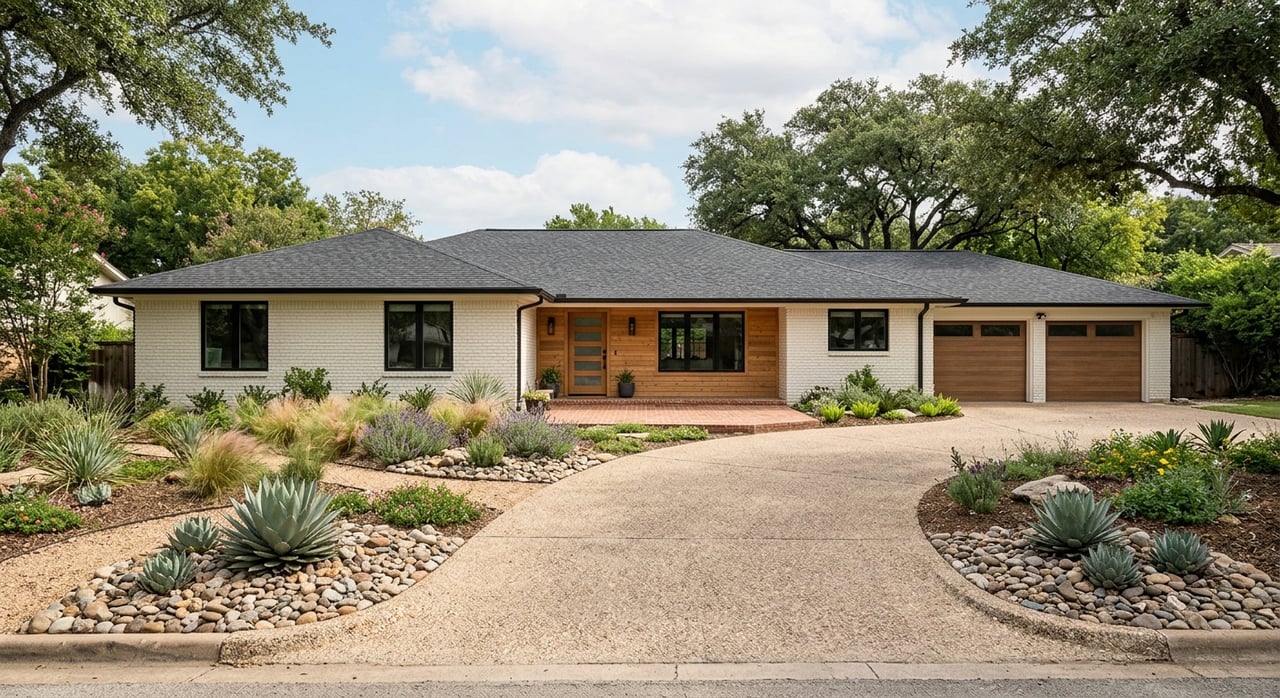
If newer suburban neighborhoods are not your only priority, Pueblo has something many Colorado buyers find refreshing: established housing stock with variety. City historic-preservation materials describe older neighborhoods laid out on a traditional grid with a wide range of architectural styles. That can make the home search more interesting if you value mature streetscapes, older construction, or homes with distinct design details.
The East Side, established in 1872, includes one of Pueblo’s largest concentrations of early homes. In Bessemer, city historic studies point to housing patterns like Minnequa Town Company homes, alley houses, and house-with-commercial forms. These are housing types that stand apart from the more uniform product you may see in newer suburban markets.
For some buyers, that means opportunity. For others, it means due diligence. Older homes can bring charm, but they can also require a closer look at maintenance, updates, and renovation plans.
Historic areas may affect future changes
Some Pueblo properties are located in historic districts or are designated local landmarks. If you are thinking about major exterior changes, rehabilitation work, or demolition, local review rules may apply in certain parts of the city. That does not make these homes less appealing, but it does mean you will want clear information early in the process.
This is where local guidance matters. If you are considering an older home, it helps to understand not just price and layout, but also what ownership may involve over time.
Everyday life in Pueblo is easy to picture
A home search is not only about the house. It is also about what your days could look like once you live there. Pueblo has a strong case to make on lifestyle, especially if you want outdoor recreation, cultural amenities, and practical convenience in one place.
Pueblo Parks and Recreation says the city has more than 70 parks, 32 miles of bicycle and walking trails, four outdoor pools, 47 playgrounds, two municipal golf courses, and more than 682 acres of parkland. For buyers who want easy access to outdoor time without planning every weekend around a long drive, that is a meaningful quality-of-life factor.
The Historic Arkansas Riverwalk of Pueblo adds another layer to daily living downtown. It is a 32-acre urban waterfront that helps define Pueblo’s city center and gives the area a walkable, destination feel. If you like the idea of being near local events, public spaces, and a recognizable downtown identity, the Riverwalk is an important part of Pueblo’s appeal.
Outdoor access is a real strength
Lake Pueblo State Park is one of the area’s biggest lifestyle anchors. Colorado Parks and Wildlife says it offers more than 4,600 surface acres of water, 60 miles of shoreline, almost 10,000 acres of land, and more than 15 miles of trail. For boating, fishing, hiking, and general outdoor access, it gives Pueblo a major advantage that is easy to underestimate until you see how close it is to everyday life.
This kind of access can shape how you use your home. Whether you want more room for gear, a simpler commute to recreation, or a base for weekend plans, Pueblo supports a more active lifestyle without requiring resort-town pricing.
Pueblo blends culture with practicality
Pueblo’s appeal is not limited to parks and trails. Local sources also point to museums, public art, the Creative Corridor, riverfront amenities, and the Colorado State Fair as part of the city’s identity. The State Fair runs from late August through Labor Day and remains one of the area’s signature annual events.
That mix gives Pueblo a sense of place that goes beyond affordability. You are not just buying into a lower price point. You are buying into a city with established traditions, recognizable gathering places, and a lived-in local character.
The presence of Colorado State University Pueblo and Pueblo Community College also adds to the city’s infrastructure. CSU Pueblo reports a 275-acre campus with nearly 4,000 students, while Pueblo Community College identifies itself as a Hispanic-Serving Institution focused on student and regional success. For buyers relocating from outside the area, these institutions can be an important part of how Pueblo functions as a full community rather than simply a lower-cost alternative.
Pueblo works for regional access
If your work, family, or travel plans keep you connected to the Front Range, Pueblo can still make sense. The City of Pueblo says the city sits on I-25 and US Highway 50, about 45 miles south of Colorado Springs and about 100 miles south of Denver. The city also reports regional access of roughly 40 minutes to Colorado Springs and two hours to Denver and Denver International Airport.
That positioning can work well if you want more attainable housing while staying tied to larger employment and travel hubs. It can also support buyers who split time between markets or want a Southern Colorado base with broader regional reach.
Pueblo Memorial Airport adds another layer of convenience. City materials describe it as a full-service municipal airport with commercial flights, located six miles east of downtown. CDOT also says Bustang and Bustang Outrider serve Pueblo, which helps connect the city to the wider transportation network.
Pueblo may fit long-range thinkers
Some buyers are not just shopping for today. They are also thinking about flexibility, future use, and how a market may support different goals over time. Pueblo can be appealing on that front because it combines lower entry prices with signs of ongoing redevelopment and housing expansion.
Pueblo County uses enterprise-zone tools for redevelopment, and City of Pueblo materials point to affordable housing expansion and broader community development efforts. That supports a careful, realistic conversation about long-range potential without overpromising outcomes. If you are weighing owner-occupant needs alongside future resale, rental, land, or renovation possibilities, Pueblo gives you more to evaluate than a simple price comparison might suggest.
This is especially relevant if you want an agent who can look at both the lifestyle side and the financial side of your move. In a market like Pueblo, the right strategy often comes from understanding how location, property condition, and future plans fit together.
Why Pueblo belongs on your list
Pueblo belongs on your Colorado home search list because it offers a combination that is getting harder to find. You can access lower home prices, established neighborhoods, recreation, cultural amenities, and regional connectivity in one market. That does not mean every property or area will be the right fit, but it does mean Pueblo deserves serious consideration.
If you are relocating, buying your next home, or exploring a property with future flexibility, Pueblo gives you room to think more strategically. And when you look past the stereotypes and focus on the actual numbers, amenities, and housing choices, the case becomes pretty clear.
If you want help comparing Pueblo with other Colorado markets, planning a smart home search, or evaluating a property with both lifestyle and long-term goals in mind, schedule a free consultation with Shelley Welliver.
FAQs
Why should Colorado buyers consider Pueblo?
- Pueblo offers a lower median sale price than Colorado Springs and Denver, along with established neighborhoods, outdoor recreation, cultural amenities, and practical regional access.
How affordable is Pueblo compared with other Colorado cities?
- Over the three months ending in May 2026, Pueblo’s median sale price was $245,000, compared with $450,000 in Colorado Springs and $635,000 in Denver.
What is the housing market like in Pueblo, Colorado?
- Pueblo was described as somewhat competitive, with homes receiving about one offer on average and selling in around 59 days.
Are all Pueblo neighborhoods priced the same?
- No. The research shows different submarkets, including a lower median sale price in Downtown Pueblo than the citywide median and a higher median sale price in Pueblo County than in Pueblo city.
What kinds of homes can you find in Pueblo?
- Pueblo includes established housing stock with varied architectural styles, older grid-based neighborhoods, and some historic homes and districts.
Do historic homes in Pueblo come with extra rules?
- In some areas, yes. Properties in historic districts or with local landmark status may be subject to local review rules for certain exterior changes, rehabilitation work, or demolition.
What outdoor amenities does Pueblo offer residents?
- Pueblo has more than 70 parks, 32 miles of bicycle and walking trails, municipal golf courses, outdoor pools, playgrounds, the Riverwalk, and close access to Lake Pueblo State Park.
Is Pueblo a good option for commuting or regional access?
- Pueblo sits on I-25 and US Highway 50, with city-reported access of about 40 minutes to Colorado Springs and about two hours to Denver and Denver International Airport.