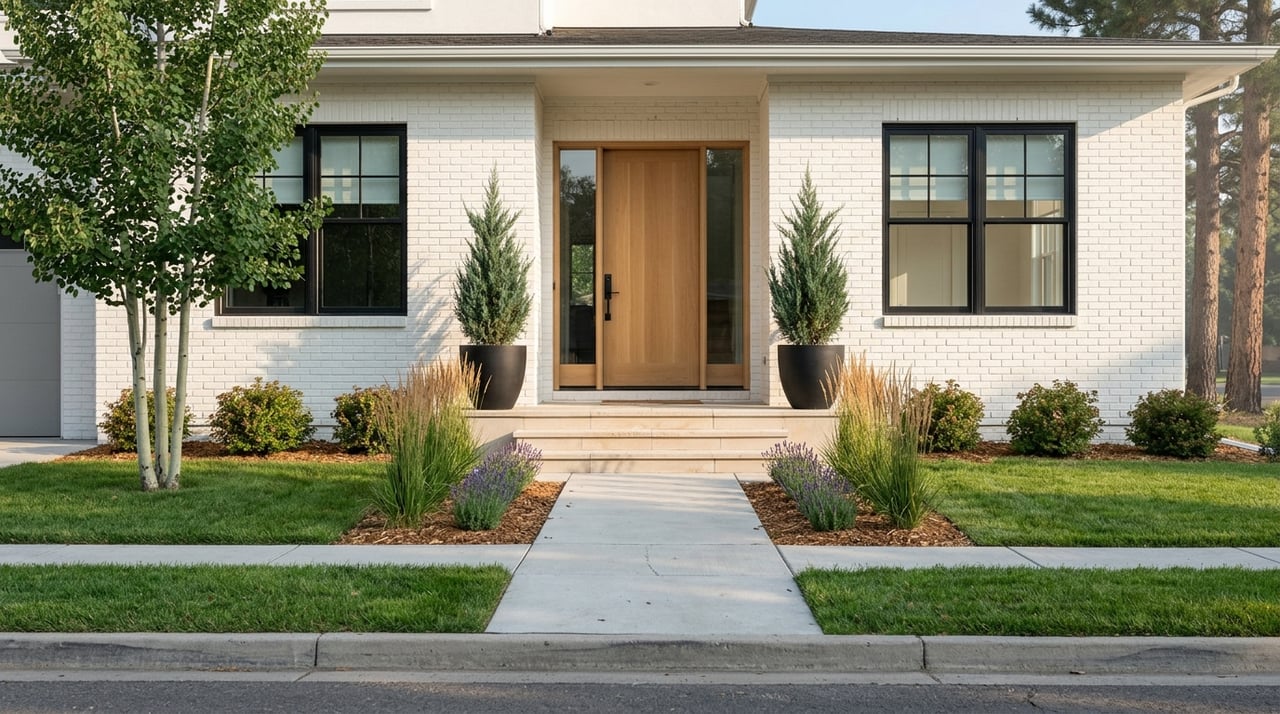
If you plan to sell your Denver home soon, your to-do list can feel endless. The good news is that the right prep is less about doing everything and more about doing the right things in the right order. When you start with market strategy, tackle repairs early, and prepare your home for photos and showings, you can launch with more confidence. Let’s dive in.
Start With Denver Market Conditions
Before you pick paint colors or book a cleaner, it helps to understand what Denver buyers are seeing right now. According to Denver County housing data through March 2026, the market is not moving the same way for every property type.
Single-family homes in Denver County posted a median sales price of $679,450, with 50 days on market, 2.5 months of inventory, and 98.6% of list price received. Attached homes, including condos and townhomes, were softer at a $419,950 median sales price, 74 days on market, 6.4 months of inventory, and 97.9% of list price received.
That matters because your prep and pricing should match your specific home, not a broad metro headline. If you own a detached home, strong presentation and accurate pricing can still help you move relatively quickly. If you own a condo or townhome, buyers may be more price-sensitive and more likely to compare HOA fees, insurance costs, and seller concessions.
Build a 60- to 90-Day Plan
If you want to list in spring or early summer, give yourself a 60- to 90-day runway. That window gives you time to handle repairs, paperwork, staging, and photos without rushing the process.
The March 2026 DMAR market trends report showed rising inventory across the metro and noted that inventory reached its highest level in more than a decade. In a market with more choices, buyers tend to reward homes that feel move-in ready and priced realistically.
That same report also showed that parts of the spring market can move fast once demand picks up. In other words, the work you do before listing can make a real difference once your home goes live.
Use the First 30 Days to Find Issues
One of the smartest early steps is to reduce surprises. A pre-sale inspection is not required, but NAR’s seller guidance notes that it can help identify problems before buyers do.
That matters because many buyers still use inspection contingencies. If issues come up late, you may face price reductions, repair requests, or contract stress at the worst possible time.
Common inspection issues include:
- Structural or foundation concerns
- Improper drainage
- Faulty wiring
- HVAC problems
- Safety issues, such as missing or inadequate smoke or carbon monoxide detectors
A pre-listing inspection can help you decide what to fix now, what to disclose clearly, and what to price around. Even if you choose not to make every repair, knowing the facts upfront gives you a stronger plan.
Focus Repairs in the Right Order
Not every repair delivers the same value before you list. A practical approach is to handle safety and major systems first, then visible maintenance, and finally small cosmetic improvements.
Based on NAR recommendations for sellers, this repair order usually makes the most sense:
- Safety items like detectors, electrical issues, or obvious hazards
- Major systems like roof, HVAC, plumbing, or drainage concerns
- Deferred maintenance such as damaged trim, worn fixtures, or stained surfaces
- Cosmetic refreshes like touch-up paint, light landscaping, and deep cleaning
If a major repair is needed and you do not plan to complete it, get an estimate anyway. NAR notes that estimates for larger items like a roof, HVAC system, or appliances can help shape negotiations and reduce uncertainty for buyers.
Prepare Your Disclosures Early
Seller paperwork is not something to leave until the last minute. In Colorado, the current Seller’s Property Disclosure form is mandatory for use as of January 1, 2026.
You must complete it based on your current actual knowledge, and if you discover a new adverse material fact later, it must be disclosed promptly. This is one reason early prep matters so much. The sooner you understand your home’s condition, the easier it is to complete disclosures accurately and calmly.
Sellers commonly disclose things like:
- Completed repairs
- Known property defects
- Missing essential items
- HOA information or guidance
- Land-use limitations
- Other conditions that may affect value
If your home was built before 1978, federal lead-based paint rules may also apply. The EPA’s lead disclosure guidance says sellers must provide a lead-hazard pamphlet, disclose known lead-based paint information and records, and include a lead warning statement before a buyer signs a contract.
Stage for Photos First
Your online debut matters more than ever. According to NAR’s 2025 Profile of Home Staging, 83% of buyers’ agents said staging made it easier for buyers to picture the property as a future home, and 49% of sellers’ agents said staging reduced time on market.
That same report found that photos were highly important to buyers’ agents, with videos and virtual tours also ranking strongly. This is why you should stage for the camera first, then fine-tune for in-person showings.
The most commonly staged rooms were:
- Living room
- Primary bedroom
- Dining room
- Kitchen
If your budget is limited, focus your effort there first. Clean lines, open surfaces, and good light often matter more than expensive furniture.
Declutter, Clean, and Improve Curb Appeal
You do not need a full remodel to make your home show better. In the same NAR staging report, the most common recommendations were decluttering the home, cleaning the entire home, and improving curb appeal.
That makes sense in Denver, where buyers often compare many homes quickly online before deciding what to visit. A clean, well-kept home signals care and helps buyers focus on the space instead of the work ahead.
Before listing, aim to:
- Remove excess furniture and personal items
- Clean windows, carpets, walls, light fixtures, and surfaces
- Refresh the front entrance
- Tidy landscaping and outdoor areas
- Store away clutter from counters, closets, and floors
These steps can help your photos look sharper and your showings feel more spacious.
Decide How Much Staging You Need
Staging does not have to mean a major expense. NAR reported a median staging-service cost of $1,500, compared with $500 when the seller’s agent handled staging support.
That means staging can be a spectrum. For some homes, a light strategy with furniture edits, styling, and better flow may be enough. For others, especially vacant homes or rooms with awkward layouts, more hands-on staging may be worth considering.
A practical question is not “Should I stage?” but “What level of staging will help this home show its best in this market?” That is especially useful in Denver when buyers have more inventory to choose from.
Keep Important Documents Ready
As you prepare to list, gather the paperwork buyers may ask about later. NAR recommends keeping warranties, guarantees, and user manuals for systems and appliances that will stay with the home.
This small step can make the transaction feel smoother and more organized. It also helps reinforce that the home has been cared for thoughtfully.
Try creating a simple folder with:
- Appliance manuals
- Service records
- Repair receipts
- Roof or HVAC documentation
- Warranty information
- HOA documents, if applicable
Price for Your Micro-Market
Pricing is where preparation and market reality come together. Denver County data through March 2026 show that detached and attached homes are performing differently, so broad pricing assumptions can backfire.
Single-family homes in Denver County were receiving 98.6% of list price with 2.5 months of supply, while attached homes were receiving 97.9% of list price with 6.4 months of supply, according to Denver County market data. The DMAR report described attached homes as the softest part of the market and emphasized the need for accurate pricing.
For you, that means the goal is not to test the market high and hope. The goal is to launch with a price that reflects current competition, condition, and buyer demand for your property type.
Special Note for Denver Condo and Townhome Sellers
If you are selling an attached home, preparation may need to be even tighter. With more inventory and more buyer comparison shopping, details matter.
Pay close attention to:
- Overall pricing strategy
- HOA information and monthly costs
- Condition of shared amenities, if relevant to your listing materials
- Insurance or maintenance factors that buyers may ask about
- Concessions that may come up during negotiation
This does not mean attached homes cannot sell well. It means buyers often have more options, so clear pricing, strong presentation, and complete information become even more important.
What to Do Before You List
If you want a simple checklist, start here:
- Review current Denver market conditions for your property type
- Build a 60- to 90-day prep timeline
- Consider a pre-listing inspection
- Tackle safety and system repairs first
- Complete required disclosures carefully
- Address any lead-based paint requirements if your home was built before 1978
- Declutter, deep clean, and improve curb appeal
- Stage key rooms for photos
- Gather manuals, warranties, and repair records
- Price for your specific micro-market, not just the metro average
Selling a home is both a financial decision and a life transition. The more intentional your prep is upfront, the more options you usually have once buyers start responding.
If you want a practical plan for timing, prep, pricing, and presentation before your Denver home hits the market, Shelley Welliver can help you build a strategy that fits your goals.
FAQs
Do I need a pre-listing inspection before selling a Denver home?
- No, a pre-listing inspection is not required, but NAR says it can help you identify issues early, make repair decisions before showings, and prepare for buyer inspection discussions.
Which repairs are worth doing before listing a Denver home?
- The best place to start is with safety issues and major systems, then visible maintenance, and finally minor cosmetic updates like touch-up paint, cleaning, and curb appeal.
Is staging worth the money when selling a Denver home?
- It can be. NAR reported that staging helped buyers picture the home more easily, and many agents said it reduced time on market and sometimes improved offered value.
How early should I start preparing to list a Denver home in spring?
- A 60- to 90-day plan is a smart target because it gives you time to handle repairs, disclosures, cleaning, staging, and photography before buyer activity picks up.
Should Denver condo and townhome sellers prepare differently than detached-home sellers?
- Yes. Denver market data show attached homes have more inventory and longer market times, so accurate pricing, strong presentation, and clear HOA-related information are especially important.