Thinking about a move to Parker? Before you start saving listings or booking showings, it helps to know how daily life there actually works. If you are relocating from another part of Colorado or from out of state, understanding Parker’s commute patterns, housing mix, neighborhood structure, and amenities can help you make a smarter decision with less stress. Let’s dive in.
Why Parker draws relocating buyers
Parker sits in Douglas County, about 20 miles southeast of Denver. The town describes itself as having a unique Western-Victorian downtown and a hometown feel, with an incorporated population of about 72,147 as of January 1, 2026. For many buyers, that creates an appealing mix of suburban space and a recognizable town center.
If you are looking for a community with established neighborhoods, everyday conveniences, and a strong recreation network, Parker often stands out. It tends to appeal to buyers who want a suburban setting with local identity rather than a more urban, walk-first lifestyle.
Understand Parker’s car-first lifestyle
One of the first things relocating buyers should know is that Parker is still largely a drive-based community. According to ACS 2024 5-year data, the mean travel time to work is 26.1 minutes, 65% of workers drive alone, and 26% work from home. Public transit, biking, and walking each make up about 1% or less of commute mode share.
That does not mean transit is unavailable. It means transit usually works as a secondary option rather than the main way most residents get around. If your household depends on a simple, everyday transit routine, this is something to evaluate early.
Transit options in Parker
RTD serves Parker through the Parker Park-n-Ride and the Pinery Park-n-Ride, both of which offer free parking. Parker Park-n-Ride serves routes 483 and PD plus FlexRide route PKFX, while the Pinery Park-n-Ride serves route PD.
RTD’s PD service connects to stops including Pinery Park-n-Ride, Parker Park-n-Ride, Lincoln & Jordan Park-n-Ride, and Wade Blank Civic Center Station. For some buyers, that can be a useful backup or hybrid commute tool. Still, most relocating households will find Parker works best when they are comfortable with a car-first routine.
Know what kind of housing dominates
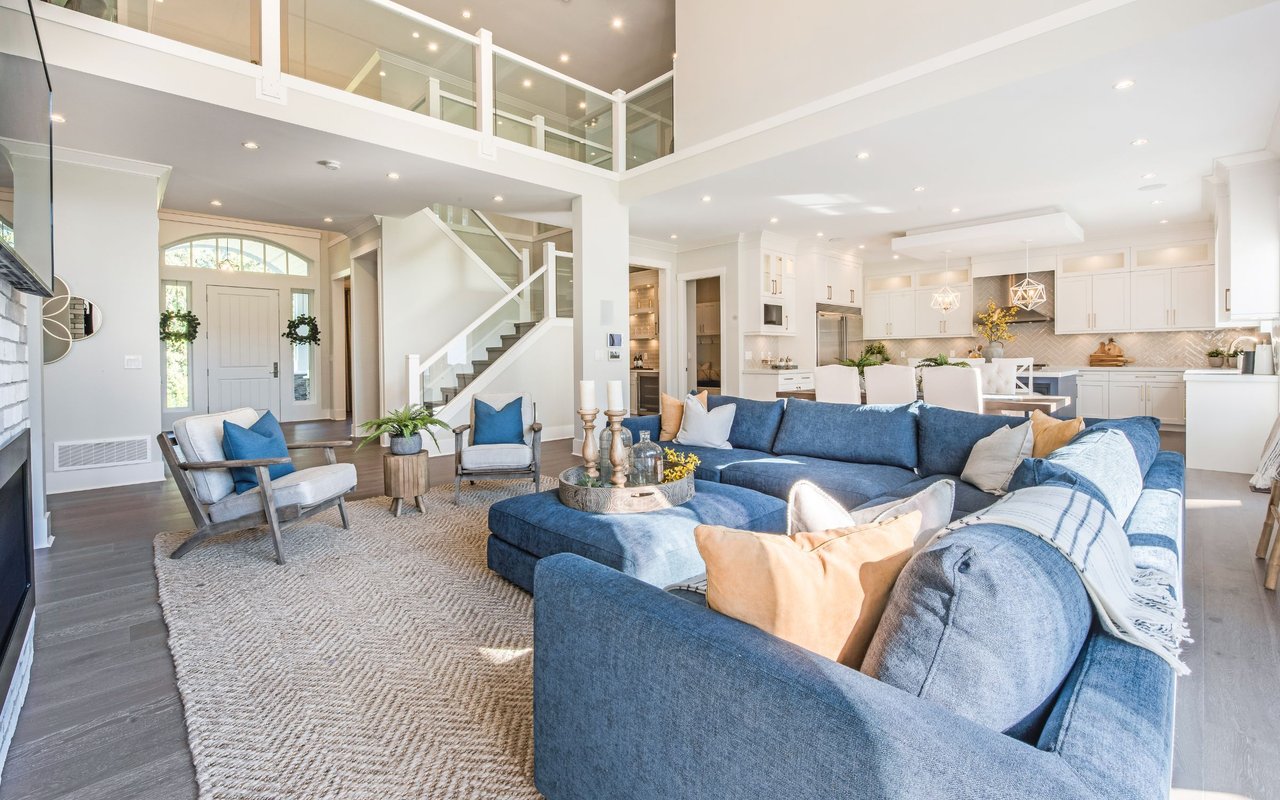
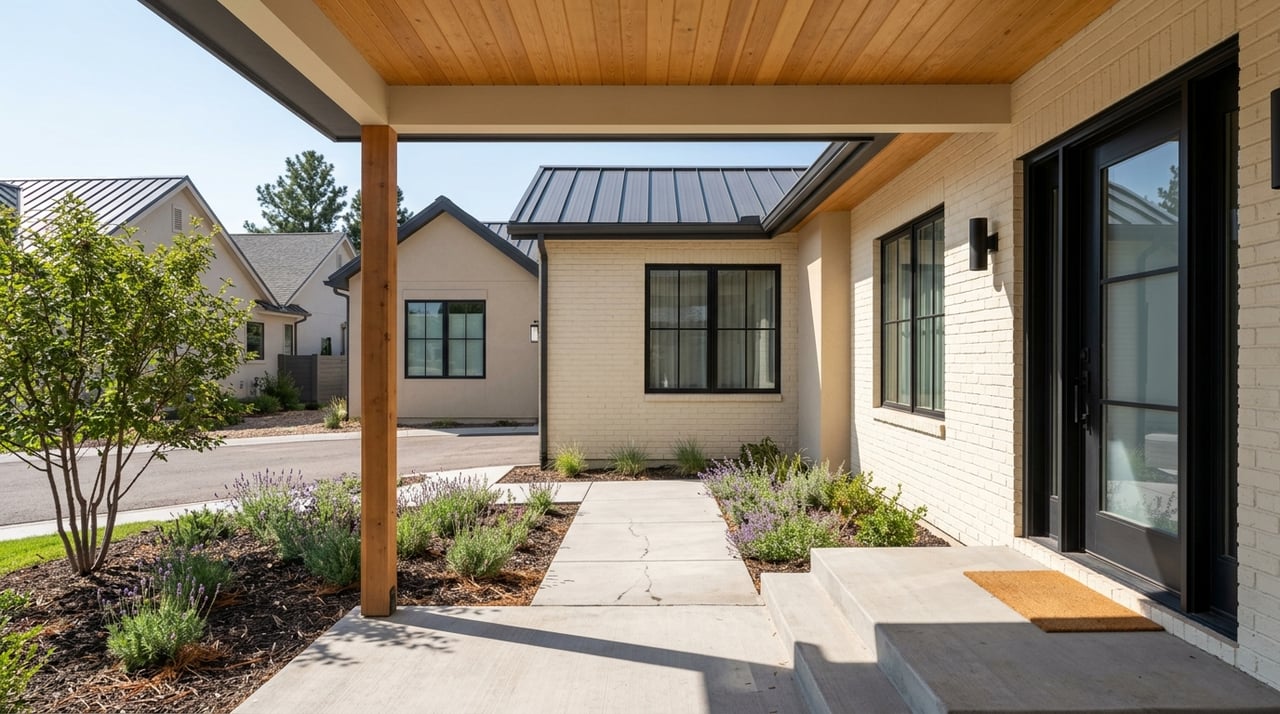
Parker is mostly a single-family detached market. The town’s development standards say Parker consists mostly of single-family detached housing units, even though the development framework also includes duplex, townhouse, and multi-family plan types.
That matters because your search may feel different here than in a denser market. If you want a detached home with more traditional suburban layout options, Parker may offer a strong fit. If you are focused on a condo or townhome, those options do exist, but they are a smaller part of the overall mix.
What buyers should compare by property type
When you start touring homes, it helps to compare more than square footage and finishes. In Parker, buyers often benefit from looking at:
- Housing type availability
- HOA rules and dues
- Metro district fees
- Access to trails, parks, and recreation amenities
- Commute routes for daily needs
- Neighborhood layout and nearby shopping patterns
A practical home search in Parker is often about matching your lifestyle to the right neighborhood structure, not just finding the right house.
Expect a master-planned neighborhood search
Another important thing to know before relocating to Parker is that much of the town is zoned PD, or Planned Development. The town notes that much of Parker falls into this category, and its planning materials describe neighborhood development as primarily master-planned.
In real terms, that means your home search may feel more community-by-community than block-by-block. Buyers often compare neighborhoods based on design, amenities, fees, open space, and rules that can vary from one planned area to another.
Parker neighborhoods often come with different tradeoffs
The town identifies planned or established communities such as Villages of Parker/Canterberry Crossing, Stroh Ranch, Bradbury Ranch, Willow Park, Parker Vista, Clarke Farms, Hidden River, Cottonwood, Stonegate, Anthology, and Idyllwilde. That does not mean one is universally better than another. It means each may offer a different balance of housing style, recreation access, and community structure.
If you are relocating, this is where local guidance can save you time. A neighborhood that looks similar online may feel very different once you factor in dues, lot style, trail access, or how convenient it is for your weekly routine.
Parks, trails, and recreation are a big part of life
Parker’s amenity base is one of its biggest strengths. The town highlights cultural performances, classes, workshops, community events, an award-winning recreation center, and a trail network for biking, hiking, skating, and horseback riding.
Town facilities include the Discovery Park Ice Trail, Fieldhouse, H2O’Brien Pool, Parker Arts, Culture and Events Center, and the Recreation Center. If recreation and local programming matter to your household, Parker offers a lot to explore.
Trails and open space add everyday value
Parker Parks & Recreation says the Cherry Creek Trail runs about eight miles through Parker. The local trail network also includes the Rueter-Hess incline and loop, along with other multi-use trail connections.
For many buyers, these features shape daily life just as much as the home itself. Easy access to trails, parks, and recreation can affect how often you get outside, how connected you feel to the area, and how much value you place on a specific neighborhood.
Downtown Parker adds a different kind of convenience
Beyond neighborhoods and recreation, downtown Mainstreet gives Parker another lifestyle anchor. The Mainstreet Master Plan describes downtown as the heart of the community, and the town says it has invested heavily in the downtown area and corridor.
The town also describes Parker as a great place to shop, eat, and connect. For a suburban community, that kind of central gathering area can be a meaningful plus when you want local activity without heading farther into the metro.
A small practical note about downtown access
If you spend time around Mainstreet, parking is worth knowing about. On-street parking is limited to two hours on weekdays from 8 a.m. to 6 p.m., and public parking lots are available for longer visits.
It is a small detail, but details like this help relocating buyers picture how the area functions day to day. That kind of local context often matters more than broad marketing language.
Budget expectations matter in Parker
Before you relocate, it is important to set realistic price expectations. Parker’s median owner-occupied home value is $658,600, which is above both the metro area and state medians in the same dataset.
That does not tell you exactly what you will pay for a specific property. It does tell you Parker is not a bargain suburb, and your budget strategy should be grounded in the town’s pricing reality from the start.
What this means for your home search
If you are moving to Parker, it helps to define your priorities early. Ask yourself:
- Do you want a detached home, or are you open to a townhome or condo?
- How important is a shorter or simpler commute?
- Are trails, parks, and recreation a major part of your lifestyle?
- Are you comfortable comparing HOA and metro-district structures?
- Do you want a neighborhood with a more master-planned feel?
The clearer you are on these answers, the easier it becomes to narrow your options and avoid chasing homes that do not truly fit.
What buyers should know first
If you remember only a few things about relocating to Parker, start here. Parker offers a strong mix of suburban housing, neighborhood identity, recreation, and a town-centered feel. At the same time, it works best for buyers who are comfortable with a mostly car-based routine and a home search shaped by planned developments and community-specific details.
That is why preparation matters. When you understand how Parker lives before you buy, you can make a more confident move and choose a home that supports both your lifestyle and your long-term goals.
If you are weighing a move to Parker and want practical, grounded guidance on neighborhood fit, property type, and your next steps, Shelley Welliver can help you build a smart relocation plan.
FAQs
What is daily life in Parker, Colorado like for relocating buyers?
- Parker offers a suburban lifestyle with a strong neighborhood structure, a notable parks and trail system, local recreation amenities, and a downtown Mainstreet area that serves as a community hub.
What should buyers know about commuting from Parker, Colorado?
- Parker is largely car-first. ACS 2024 5-year data shows a mean travel time to work of 26.1 minutes, with most workers driving alone and a smaller share working from home or using other commute modes.
What types of homes are common in Parker, Colorado?
- Parker is mostly made up of single-family detached homes, though townhomes, duplexes, and multi-family housing are also part of the town’s development framework.
What makes Parker neighborhoods different from each other?
- Many Parker neighborhoods are part of planned developments, so buyers often compare HOA rules, metro-district fees, recreation amenities, open-space access, and overall neighborhood layout.
Is Parker, Colorado a good fit for buyers who want outdoor amenities?
- Parker places a strong emphasis on recreation, trails, parks, and community facilities, including the Cherry Creek Trail, the Rueter-Hess incline and loop, and multiple town recreation venues.
How expensive is it to buy a home in Parker, Colorado?
- ACS 2024 5-year data reports a median owner-occupied home value of $658,600 in Parker, which is above the metro area and state medians in the same dataset.