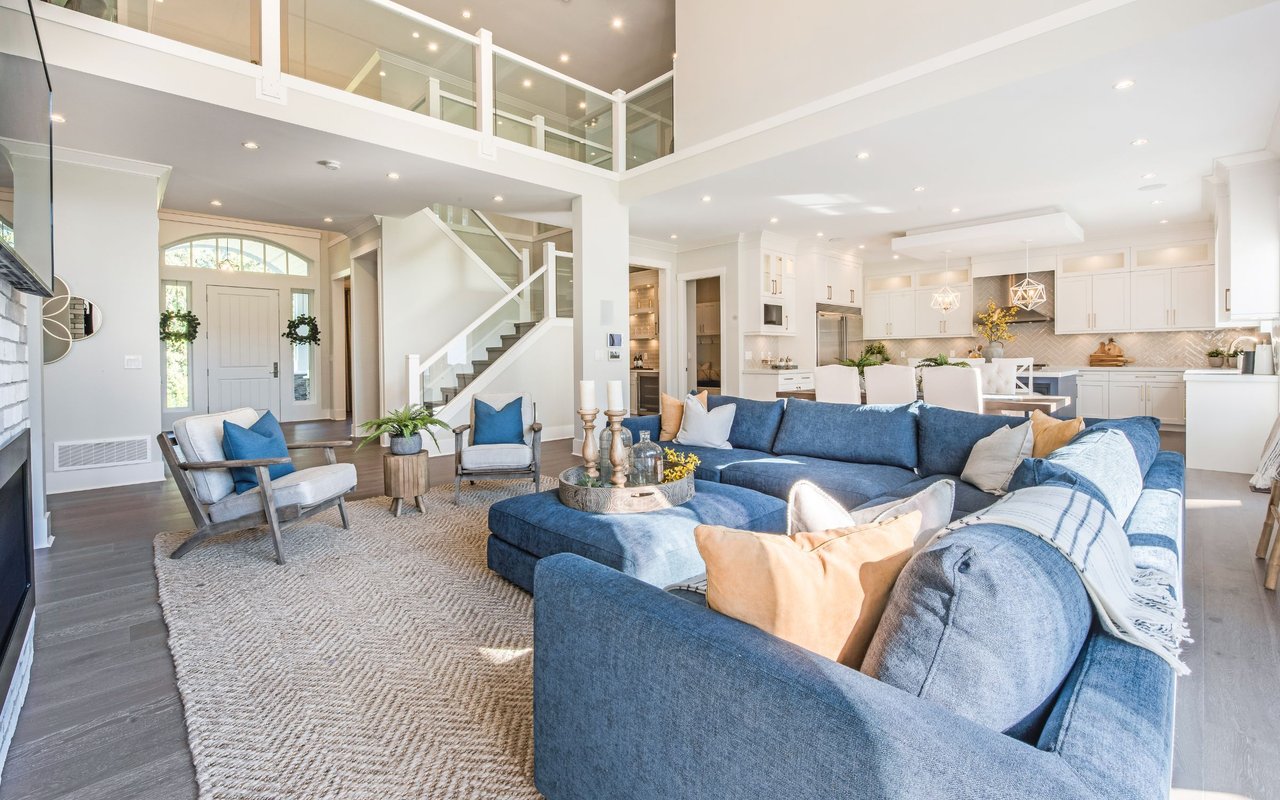
Thinking about buying in Cherry Creek? A condo or townhome here can give you walkable access to dining, shopping, fitness, and the Cherry Creek Trail, but the right choice is about much more than finishes and square footage. If you want to buy smart in one of Denver’s most amenity-rich neighborhoods, you need to understand pricing, building type, HOA health, and resale potential before you write an offer. Let’s dive in.
Why Cherry Creek draws attached-home buyers
Cherry Creek stands out for convenience. Visit Denver describes the area as roughly five minutes from downtown, with Cherry Creek North and the Cherry Creek Shopping Center together offering more than 300 stores, 75 cafes and restaurants, 50 spas and salons, and five hotels.
For many buyers, that means your day-to-day lifestyle can feel simpler. You may be able to walk to errands, dining, and services, and you also have direct access to the Cherry Creek Bike Path and Trail in the district covered by the Cherry Creek North BID.
That lifestyle appeal is a big reason condos and townhomes are so popular here. Whether you are downsizing, relocating, or looking for a lower-maintenance home in a close-in Denver location, Cherry Creek offers a mix of lock-and-leave convenience and urban access.
What the Cherry Creek market looks like
Cherry Creek is generally a premium market, not an entry-level condo market. Realtor.com reported a median listing price of $1.45 million in March 2026 and $1.5575 million in April 2026 for Cherry Creek overall, with median days on market ranging from 37 to 42 days.
That said, attached housing here still covers a wide range. Current visible inventory shows condos from roughly the low $300,000s into the multi-million-dollar range, while townhomes appear to start much higher, with many listings stretching from the upper $800,000s to more than $4 million.
This matters because buyers sometimes assume Cherry Creek is one thing. In reality, the neighborhood includes both older, more accessible attached homes and very high-end luxury options.
Cherry Creek North vs broader Cherry Creek
It helps to know that Cherry Creek North is typically the priciest and most urban-feeling pocket. Realtor.com market data shows Cherry Creek North with a much higher median listing price than Cherry Creek overall, along with a longer median market time.
For you, that can create two different search experiences. If you want the heart of the shopping and dining district, expect higher price points and more luxury product. If you are open to the edges of the broader neighborhood, you may find somewhat more approachable options.
Condos vs townhomes in Cherry Creek
Cherry Creek buyers will likely encounter a mix of:
- Older low-rise condo buildings
- Mid-rise condo communities
- Luxury condo towers or boutique buildings
- Row-style townhomes
- Townhome-style residences with more private entry features
A condo may make sense if you want shared amenities and a more streamlined maintenance setup. Current listings often advertise features like community pools, fitness centers, hot tubs, assigned parking, and patios.
A townhome may fit better if you want more privacy, more vertical living space, or garage-focused convenience. Some active townhome listings highlight attached two-car garages and private driveways, which can be especially valuable in a walkable urban neighborhood where parking can influence both daily ease and resale appeal.
Look beyond the monthly HOA fee
One of the biggest mistakes buyers make is focusing only on the list price and monthly dues. In Cherry Creek, especially, the smarter question is what those dues actually cover and whether the association appears financially healthy.
Some current condo listings show dues ranging from about $356 to $779 per month. One listing in Cherry Creek Towers states that dues include heat, insurance, internet, grounds maintenance, sewer, snow removal, trash, and water.
That means one building’s fee may cover far more than another’s. A lower monthly HOA number is not automatically the better deal if the building is underfunded or likely to face major repairs later.
What Colorado law means for buyers
In Colorado, most common-interest communities are governed by CCIOA, which took effect in 1992. Older communities may still be partly governed by the older Condominium Ownership Act, so buyers in older Cherry Creek buildings should not assume every building follows the same rules or document structure.
CCIOA also requires declarations to state the formula for allocating assessments. That is one reason the governing documents matter so much when you are comparing one condo or townhome community to another.
Special assessments can change your true cost
Colorado’s Division of Real Estate explains that special assessments may be used for common-element repair or replacement, new construction, unexpected major expenses, or reserve funding. So if a building has kept dues artificially low, you could still face a larger future bill.
This is especially important in older condo communities where roofs, elevators, parking areas, or building systems may need costly updates. Before you buy, it is worth understanding not just today’s dues, but tomorrow’s possible expenses.
Ask the right building questions early
Before you fall in love with a unit, it helps to ask a few practical questions about the project itself. In condo and townhome purchases, the building can matter almost as much as the home.
Here are smart questions to ask before showings or before writing an offer:
- What does the monthly HOA fee cover?
- Is there a current reserve study?
- Are reserves adequate for major shared components?
- Are there any current or planned special assessments?
- Is the building warrantable for conventional financing?
- Is the project FHA-eligible if needed?
- Are there rental restrictions or occupancy rules?
- What year was the building created?
- Does the association register annually with the Colorado Division of Real Estate?
These questions can save you time and help you avoid buildings with financing, maintenance, or rule-related issues that may affect both your purchase and future resale.
Financing is about the project, not just the unit
Many buyers are surprised to learn that lenders often review the condo project itself, not only your personal qualifications. Fannie Mae’s project standards consider financial stability, building condition, owner control, litigation, fraud concerns, and marketability.
Freddie Mac also notes that projects with critical repairs or unfunded repairs can be ineligible until those repairs are completed. Even if an association plans to pay through a special assessment or association loan, financing can still be affected.
HUD’s FHA condo documentation checklist also points to factors like master hazard insurance, HO-6 coverage, flood insurance if applicable, owner-occupancy percentage, concentration of ownership, and units in arrears. In practical terms, that means your financing path may depend on the building’s health and documentation as much as the unit’s appeal.
Insurance and reserves deserve close attention
Colorado law requires associations in post-1992 communities to maintain property insurance on common elements and commercial general liability insurance. That is a baseline, but it is still important to understand how the master policy works and what your own unit-level coverage would need to handle.
Reserve strength matters too. Freddie Mac says sellers may rely on reserve studies for certain projects rather than the budget alone, which shows how central reserve planning is in attached housing.
If you are comparing two similar homes, the one in the better-managed building may be the stronger choice even if the monthly dues are a bit higher. That can support smoother ownership and stronger resale over time.
Think about resale while you shop
Even if you expect to stay for years, resale should still be part of your decision. In Cherry Creek, resale value tends to be driven by location quality, building quality, and fee discipline more than square footage alone.
Realtor.com notes that cosmetic updates can help, and current inventory supports that idea. Updated, view-oriented, and better-amenitized homes often command much higher price points than more basic units.
Features that often matter in Cherry Creek
As you compare options, these features may carry extra weight in this neighborhood:
- Reliable garage or assigned parking
- Good natural light
- Efficient floor plan
- Private outdoor space
- Extra storage
- Move-in-ready condition
- Building amenities that support daily convenience
- HOA documents showing adequate reserves and limited deferred maintenance
Cherry Creek buyers often place a premium on lock-and-leave ease. Features that make the home simpler to use, park in, maintain, and enjoy can also make it easier to sell later.
What negotiating may look like now
Current conditions suggest a moderate negotiation environment rather than an extreme seller’s market. Realtor.com reported that Cherry Creek homes sold for an average of 2.57% below asking in March 2026, with a 97% sale-to-list ratio.
That can create room for thoughtful negotiation, especially on overpriced or less updated listings. At the same time, the best-positioned homes can still attract strong interest, so strategy matters.
Cherry Creek North’s longer median days on market also suggest that some luxury listings may sit longer than the broader neighborhood. If you are shopping at the upper end, pricing discipline and document review can give you leverage.
A quick note for investor-minded buyers
If you are buying with rental potential in mind, do not stop at neighborhood rent data. Realtor.com reported a median rent of $3,500 per month in Cherry Creek in April 2026, with 33 rental properties on the market.
That number can be useful, but the building documents are what shape your real opportunity. Rental caps, occupancy rules, financing eligibility, assessment risk, and association financial health can all affect whether a condo or townhome works as an investment.
This is where a practical, numbers-aware review matters. A property that looks strong on the surface can perform very differently once building-level restrictions and costs are factored in.
How to buy more confidently in Cherry Creek
A Cherry Creek condo or townhome can be an excellent fit if you want location, convenience, and lower exterior maintenance in one of Denver’s most established close-in neighborhoods. The key is to evaluate the full picture, including price point, building type, HOA structure, reserves, insurance, financing, and resale potential.
When you approach the search this way, you are more likely to buy a home that supports both your lifestyle and your long-term financial goals. If you want help comparing buildings, reviewing red flags, or narrowing down the right attached-home options in Cherry Creek, Shelley Welliver can help you move forward with clarity.
FAQs
What should you check before buying a Cherry Creek condo?
- Review the HOA fee coverage, reserve study, special assessment history, financing eligibility, insurance setup, and any rental or occupancy restrictions.
How expensive are Cherry Creek condos and townhomes?
- Current visible inventory shows a wide range, from older condos in the low $300,000s to luxury units and townhomes priced well into the multi-million-dollar range.
Why do HOA documents matter in a Cherry Creek townhome or condo purchase?
- The HOA documents can reveal assessment formulas, reserve strength, rules, special assessments, and other issues that affect your real monthly cost and future resale.
Is Cherry Creek North different from the rest of Cherry Creek for buyers?
- Yes. Market data suggests Cherry Creek North is generally pricier and more urban in feel, while the broader Cherry Creek area may offer somewhat less expensive attached-home options.
Can a Cherry Creek condo have financing issues even if the unit looks great?
- Yes. Lenders may review the full condo project, including reserves, insurance, repairs, litigation, owner-occupancy, and overall project stability.
What features help resale for a Cherry Creek attached home?
- Parking, natural light, efficient layout, storage, updated condition, private outdoor space, and a financially stable HOA often matter more than square footage alone in this neighborhood.